Narcissism, a term derived from the ancient Greek myth of Narcissus, who fell in love with his own reflection, has been a topic of intrigue and curiosity for centuries. In this VitalGuide article, we will delve into the world of narcissism, exploring its definitions, characteristics, and the impact it has on individuals and society.
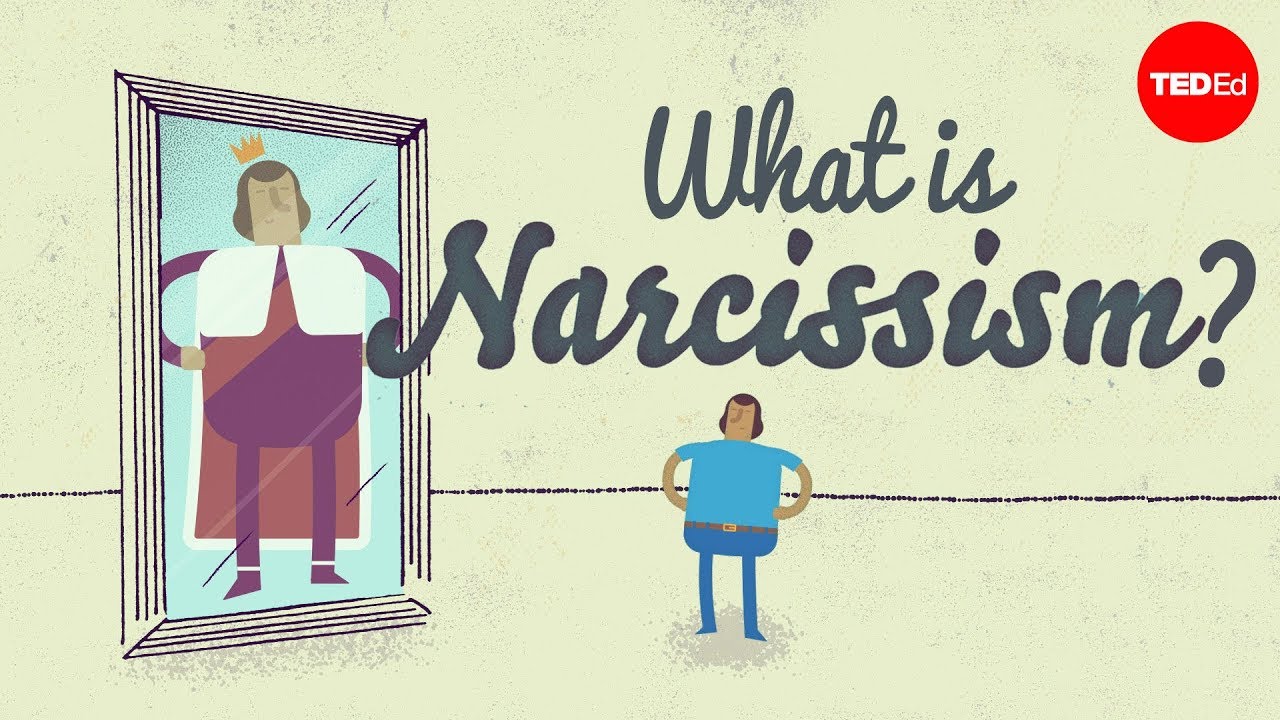
Defining Narcissism:
Narcissism is a personality trait or, in its extreme form, a personality disorder known as Narcissistic Personality Disorder (NPD). At its core, narcissism revolves around an inflated sense of self-importance, a need for excessive attention and admiration, and a lack of empathy for others. Individuals with narcissism often have a preoccupation with fantasies of success, power, beauty, or ideal love.
The Spectrum of Narcissism:
Narcissism exists on a spectrum, ranging from healthy self-esteem to narcissistic personality disorder. It's important to differentiate between healthy self-confidence and pathological narcissism.
Healthy Self-Esteem: Healthy self-esteem involves a positive self-image and a sense of self-worth. It allows individuals to confidently pursue their goals and maintain fulfilling relationships.
Narcissistic Traits: On the spectrum, some individuals may exhibit narcissistic traits without meeting the criteria for NPD. These traits can include a desire for recognition and admiration but may not manifest as a full-blown personality disorder.
Narcissistic Personality Disorder (NPD): NPD is characterized by a pervasive pattern of grandiosity, the need for excessive admiration, and a lack of empathy, often resulting in significant distress and impairment in various life areas.
Key Characteristics of Narcissism:
Narcissism is marked by several core characteristics, including:
Grandiosity: Narcissists often have an inflated sense of self-importance and a belief in their unique superiority.
Craving for Admiration: They require constant admiration and validation from others to maintain their self-esteem.
Lack of Empathy: Narcissists often struggle to empathize with the emotions and needs of others, as their focus is primarily on themselves.
Fragile Self-Esteem: Despite their grandiose exterior, many narcissists have a fragile self-esteem that is easily threatened.
Manipulative Behavior: They may engage in manipulative behavior to maintain their grandiose self-image and secure admiration from others.
Relationship Challenges: Narcissistic individuals may have difficulty maintaining healthy relationships, as their self-centeredness often takes precedence over the needs of others.
The Impact of Narcissism:
Narcissism can have various consequences for individuals and society:
Relationship Issues: In personal relationships, narcissism can lead to conflicts, emotional abuse, and a lack of emotional support for loved ones.
Workplace Dynamics: In the workplace, narcissists may strive for power and recognition, which can create tension and disrupt teamwork.
Mental Health Challenges: Narcissism can contribute to mental health issues, such as depression, anxiety, and low self-esteem, both in narcissistic individuals and those who interact with them.
Societal Effects: On a broader scale, the prevalence of narcissism can impact societal values and priorities, potentially leading to a culture of materialism and superficiality.
Narcissism and Social Media:
The rise of social media has introduced new dynamics to the study of narcissism. Online platforms provide a stage for self-promotion and validation-seeking, which can amplify narcissistic tendencies in some individuals. It's important to recognize that not everyone who uses social media is narcissistic, but the platforms can exacerbate narcissistic behaviors in susceptible individuals.
Managing Narcissism:
Managing narcissism involves recognizing its presence and working towards healthier behaviors and attitudes. For those with narcissistic tendencies, therapy, particularly cognitive-behavioral therapy, can be beneficial. Individuals can learn to develop a more realistic self-image and improve their interpersonal relationships.
Conclusion:
Narcissism is a complex and multifaceted personality trait that spans a spectrum from healthy self-esteem to pathological narcissistic personality disorder. Understanding the characteristics and impact of narcissism is essential for recognizing and addressing it in individuals and society. By fostering self-awareness and empathy, individuals can navigate the challenges of narcissism and cultivate healthier relationships and communities.

Keine Kommentare:
Kommentar veröffentlichen