Leaving an abusive relationship is an immensely challenging and complex endeavor. Victims of abuse often face numerous physical, emotional, and psychological hurdles that make escape difficult. In this VitalGuide article, we will explore the various factors that contribute to the difficulty of leaving an abusive relationship and shed light on the importance of support and resources for those who find themselves in these situations.

The Cycle of Abuse:
Abusive relationships typically follow a cyclical pattern. They often begin with a period of tension-building, during which small disputes and conflicts escalate. This is followed by an acute episode of abuse, which may be physical, emotional, or both. Afterward, an abuser may show remorse and apologize, promising that it won't happen again. This period of reconciliation is known as the "honeymoon phase," and it can be manipulative, as abusers work to maintain control and keep their victims in the relationship.
Emotional Manipulation:
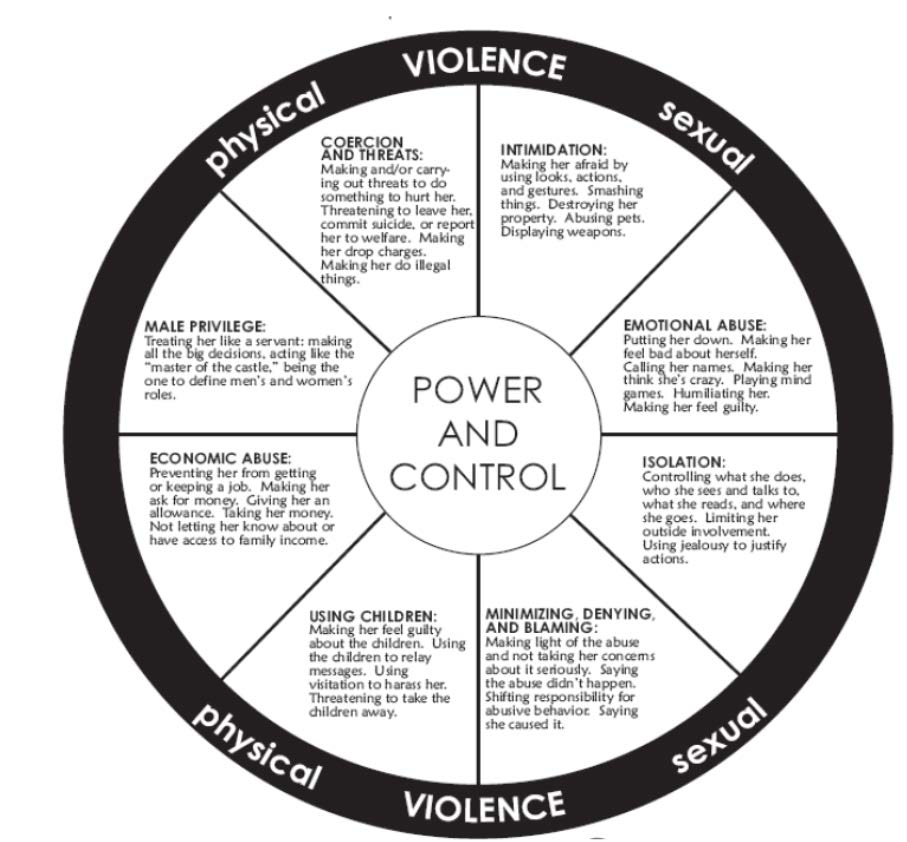
Abusers are often skilled manipulators, using tactics that make it hard for victims to leave. Some common manipulation techniques include:
Isolation: Abusers may isolate their victims from friends and family, making them believe they have no one to turn to for help or support.
Gaslighting: Gaslighting is a form of emotional abuse where the abuser makes the victim doubt their own perceptions and reality. This can lead to a sense of helplessness and confusion.
Blame and Guilt: Abusers often shift the blame onto their victims, making them feel responsible for the abuse. This can lead to feelings of guilt and self-doubt.
Threats: Abusers may threaten their victims with harm, both to themselves and to others, if they try to leave.
Financial Dependence:
Financial dependence on the abuser is a significant barrier to leaving an abusive relationship. Victims may lack the financial resources, job skills, or access to their own income to support themselves and their children independently. This financial vulnerability can make leaving seem impossible, as they may fear homelessness or destitution.
Fear of Retaliation:
Fear of retaliation is a legitimate concern for victims of abuse. Leaving an abuser can provoke anger and a desire for control. Victims may fear physical violence, harassment, or even stalking if they attempt to escape. This fear can be paralyzing and can prevent individuals from taking the steps to leave.
Trauma Bonding:
Trauma bonding is a phenomenon where victims of abuse become emotionally attached to their abusers. This bond is complex and often paradoxical, as the victim may experience intense fear, love, and loyalty toward the same person who is causing them harm. Trauma bonding can make leaving the abuser emotionally agonizing, as victims may still care for and love their abuser despite the abuse.
Low Self-Esteem and Self-Worth:
Abusers frequently erode their victims' self-esteem and self-worth through verbal and emotional abuse. Victims may come to believe that they are unworthy of love, respect, or a better life. This diminished sense of self-worth can make it challenging to summon the confidence to leave the relationship.
Children and Custody Concerns:
If children are involved in an abusive relationship, victims often face a dilemma. Leaving may mean uprooting their children and subjecting them to the trauma of separation or involving them in a custody battle. Victims may fear that they will lose custody or that the abuser will use the children as a tool to maintain control.
Cultural and Societal Pressures:
Cultural and societal norms can contribute to the difficulty of leaving an abusive relationship. Some communities may stigmatize divorce or prioritize keeping the family unit intact, even at the expense of a victim's safety. These pressures can discourage victims from seeking help or leaving the relationship.
The Role of Shame and Guilt:
Victims often experience profound feelings of shame and guilt. They may blame themselves for the abuse or feel embarrassed about their situation. These emotions can create a sense of unworthiness and prevent them from seeking help or disclosing the abuse to others.
Lack of Resources and Support:
Many victims of abuse are unaware of the resources available to them, such as shelters, legal assistance, counseling, and support groups. Even when they are aware, they may lack access to these resources due to geographical, financial, or other barriers.
Leaving an Abusive Relationship: The Path to Freedom
Leaving an abusive relationship is undoubtedly challenging, but it is possible, and it is a courageous step toward a better life. The following strategies can help individuals in abusive relationships break free:
Safety First: Ensure your immediate safety and that of any children involved. Seek refuge in a shelter or with a trusted friend or family member.
Create a Support System: Reach out to friends, family, or support organizations that can provide emotional and practical support during the process.
Legal Protections: Understand your legal rights and protections. Consult with an attorney or legal aid organization to explore options for restraining orders and custody arrangements.
Therapy and Counseling: Seek therapy or counseling to address the emotional trauma and regain self-esteem. Therapy can also help with trauma bonding and the healing process.
Financial Independence: Develop a financial plan for independence. Explore employment opportunities, educational programs, or financial assistance that can help you achieve self-sufficiency.
Document Abuse: Keep a record of abusive incidents, including dates, times, and descriptions. This documentation may be crucial for legal purposes.
Plan Your Exit: Develop a safe and well-thought-out exit plan, including securing important documents, packing an escape bag, and having a safe place to go.
Reach Out for Professional Help: Consult with professionals who specialize in domestic violence and abuse. They can provide guidance, resources, and strategies for leaving safely.
Conclusion:
Leaving an abusive relationship is an incredibly complex and challenging journey. Victims face a myriad of emotional, psychological, and practical barriers that make escape difficult. It is essential for society to recognize these challenges and provide the necessary support and resources to help victims break free from the cycle of abuse and build healthier, safer lives.

Keine Kommentare:
Kommentar veröffentlichen