Greek mythology, with its rich tapestry of gods, heroes, and mythical creatures, has fascinated and captivated human imagination for centuries. Beyond its role as ancient folklore, Greek mythology offers a treasure trove of insights into the human psyche and continues to influence modern psychology. In this article, we'll embark on a journey through the realms of Greek mythology and explore its profound connection with the field of psychology.

The Power of Mythology:
Mythology, in its essence, is a reflection of the collective human experience. It serves as a mirror to our hopes, fears, desires, and struggles. Greek mythology, in particular, is a testament to the enduring relevance of stories that have transcended time and culture.
Zeus and Psyche are two distinct figures in Greek mythology. Zeus is one of the most powerful and prominent gods in the Greek pantheon, known as the king of the gods and the ruler of Mount Olympus. Psyche, on the other hand, is a mortal woman of extraordinary beauty. Let's explore their individual stories and the limited connection they share in Greek mythology.
Zeus:
Zeus is the son of Cronus and Rhea and is considered the chief of the Olympian gods. He is associated with the sky, thunder, and lightning, and he wields the thunderbolt as his symbol of power. Zeus is known for his immense authority and control over both the divine and mortal realms.
One of Zeus's most notable attributes is his numerous romantic entanglements. He had many consorts and fathered many children with both goddesses and mortal women, making him a central figure in many Greek myths. Depending on how you look at Zeus, he could be a hero or a villain.
Psyche:
In Greek mythology, the name "Psyche" (Ψυχή in Greek) is related to the concept of the soul or the breath of life. Psyche is a mortal woman who is celebrated for her unparalleled beauty. Her story is best known from the myth of "Eros and Psyche," which is a part of the Roman novel "The Golden Ass" by Apuleius. In this myth, Psyche is so beautiful that people begin to worship her, which angers Aphrodite, the goddess of love and beauty. Aphrodite sends her son Eros, the god of love, to make Psyche fall in love with the most hideous creature he can find. However, Eros accidentally pricks himself with his own arrow and falls in love with Psyche. A great depiction of what jealousy can do, and what love can overcome.
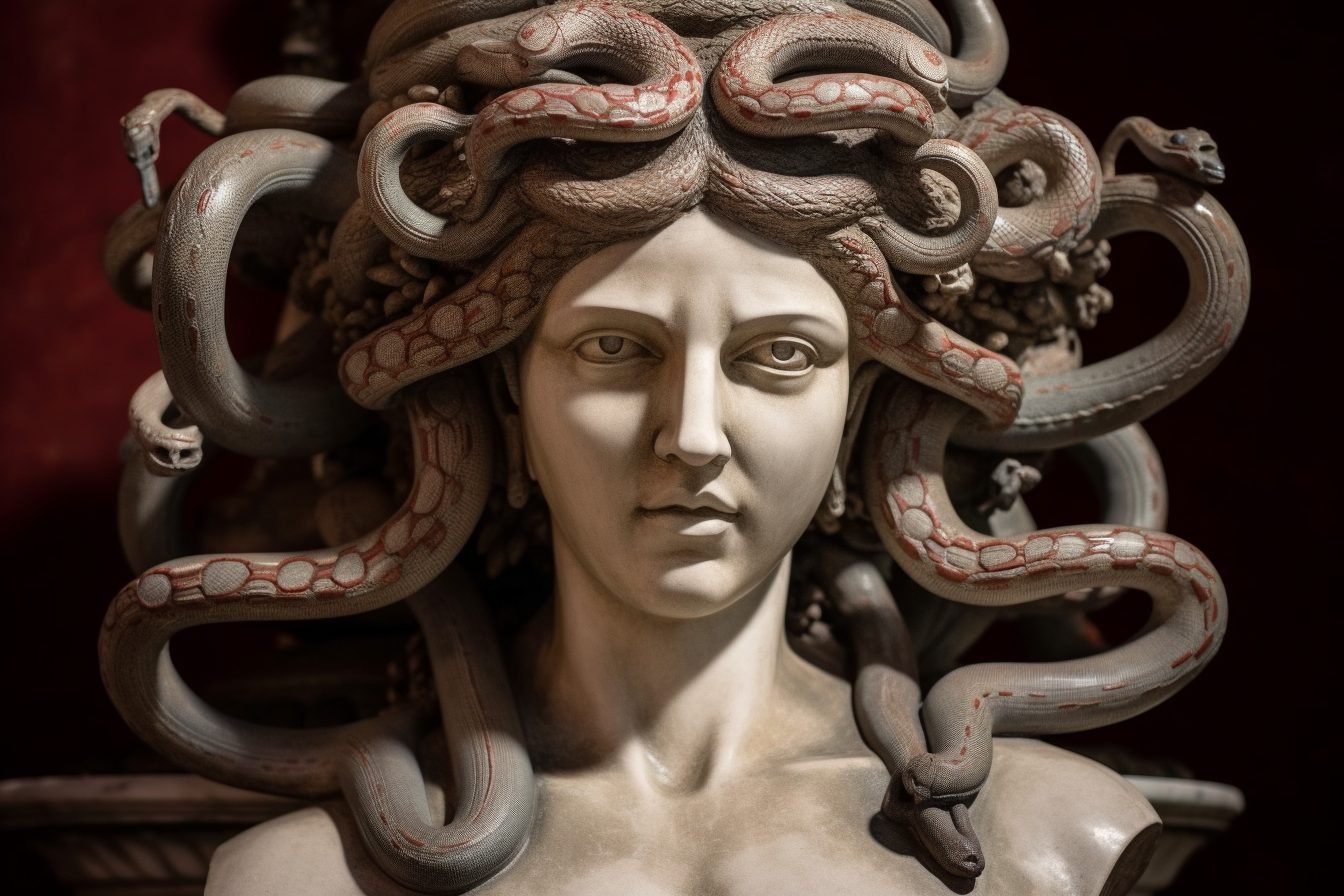
Medusa:
Medusa is one of the most iconic and enigmatic figures in Greek mythology. Her story is often analyzed from various psychological perspectives to understand the symbolism and depth it carries. Medusa's transformation from a beautiful woman into a terrifying
monster with snakes for hair is a powerful symbol of a psychological
transformation. Medusa's gaze is said to turn anyone who looks into her eyes to stone.
This can be interpreted as a representation of the paralyzing effects of
fear or trauma.
Some interpretations of Medusa's story focus on the idea of female
empowerment. After her transformation, Medusa becomes a symbol of the
dangerous and uncontrollable aspects of the feminine. Her gaze, in this
context, can be seen as a metaphor for the power and agency of women. In
psychology, this relates to the exploration of gender dynamics and
power imbalances.
Victim and Perpetrator:
Victim: Medusa was originally a victim of circumstance, transformed into a monster against her will. Her story highlights the psychological impact of victimization and the potential for transformation or empowerment that can arise from it.
Perpetrator: Medusa's ability to petrify others with her gaze can also be seen as her transformation into a perpetrator. This shift from victim to perpetrator raises questions about the psychology of retribution and the cycle of abuse.
Archetypes and the Collective Unconscious:
One of the most significant intersections between Greek mythology and psychology lies in the concept of archetypes, as introduced by Swiss psychiatrist Carl Gustav Jung. Jung proposed that the human psyche contains a "collective unconscious," a reservoir of universal experiences, symbols, and images shared by all humans. These archetypes, according to Jung, shape our thoughts, emotions, and behaviors.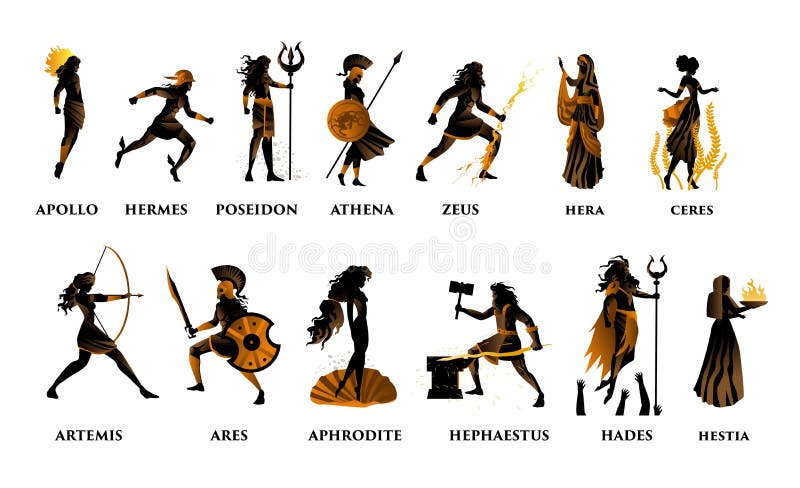
The Hero's Journey:
The hero's journey, a recurring motif in Greek mythology, represents the psychological quest for personal growth and self-discovery. It reflects the trials and tribulations that individuals face in their own lives.
The hero's journey is exemplified in the myth of Perseus, who battles the Gorgon Medusa and ultimately triumphs. This narrative illustrates the hero's path from a state of innocence or naivety, through trials and self-discovery, to eventual transformation and a return to society with newfound wisdom.
Oedipus Complex:
Perhaps one of the most famous psychological concepts inspired by Greek mythology is the Oedipus complex, a term coined by Sigmund Freud. Freud drew from the Greek myth of Oedipus, who unknowingly fulfills a prophecy by killing his father and marrying his mother.
The Oedipus complex posits that young children experience feelings of desire and rivalry with the parent of the opposite sex. These unconscious emotions can play a significant role in the development of one's personality and relationships.
Narcissism:
The term "narcissism" originates from the Greek myth of Narcissus, a beautiful youth who falls in love with his own reflection in a pool of water. This self-absorption and inability to love anyone but himself is the foundation of narcissistic personality disorder in modern psychology.
Prometheus and the Fire of Knowledge:
The myth of Prometheus, who steals fire from the gods and imparts knowledge to humanity, is a powerful metaphor for the acquisition of knowledge and the evolution of human consciousness. It illustrates the transformative power of knowledge and the consequences of defying the status quo.
The Sirens and Temptation:
In Homer's epic poem "The Odyssey," the Sirens are mythical creatures whose enchanting songs lure sailors to their doom. The concept of temptation and its allure, despite the potential for destruction, is a recurring theme in both mythology and psychology. The Sirens represent the human struggle with desires that may lead to downfall.
Hubris and Nemesis:
Hubris, excessive pride and arrogance, is a prominent theme in Greek mythology. It often leads to the downfall of heroic figures. This concept is echoed in psychology's understanding of the destructive consequences of unchecked pride and overconfidence.
The Shadow Self:
Jung's concept of the "shadow self" reflects the dark and repressed aspects of one's personality. This is illuminated in the story of the Minotaur, a monstrous creature dwelling in the labyrinth. The Minotaur represents the hidden, dark aspects of human nature that we often suppress or deny.
The Power of Storytelling:
Greek mythology, as a source of powerful narratives, continues to inspire and inform modern psychology. The stories of gods and heroes, love and conflict, hubris and humility, serve as mirrors through which we can examine our own lives, struggles, and psychological complexities.
Application in Therapy:
Therapists and psychologists often draw upon mythological themes and archetypal stories to help individuals explore and understand their own psychological processes. This can provide valuable insights and promote personal growth and self-awareness.
Conclusion:
Greek mythology is a timeless wellspring of wisdom and insights into the human psyche. Its archetypal characters and timeless narratives continue to illuminate the complexities of human nature and inspire modern psychology. As we delve into these ancient stories, we discover that the themes and struggles of the gods and heroes are, in many ways, reflections of our own experiences, emotions, and inner journeys.

Keine Kommentare:
Kommentar veröffentlichen