Music has been an integral part of human culture for centuries, transcending language and cultural barriers. Beyond its role as entertainment, music holds a unique therapeutic potential that has been harnessed and developed into a structured field known as music therapy. In this article, we will delve into the world of music therapy, exploring its history, benefits, applications, and the scientific basis behind its healing properties.
I. The Historical Roots of Music Therapy
The concept of music as a therapeutic tool is not a recent development. Ancient civilizations, from the Greeks to the Egyptians, recognized the profound effects of music on the human psyche. In the modern era, music therapy began to take shape during and after World War I, when musicians played for veterans in hospitals. This marked the initial steps towards the formalization of the field.
II. Understanding Music Therapy
Definition and Purpose Music therapy is the clinical use of music to address physical, emotional, cognitive, and social needs of individuals. Board-certified music therapists employ various musical elements to achieve specific therapeutic goals, which may include improving mental health, reducing stress, and enhancing overall well-being.
Methods and Techniques Music therapists use a variety of techniques, such as active music-making (e.g., singing, playing instruments), receptive music listening, lyric analysis, and music improvisation. These methods are tailored to the unique needs and preferences of the client.
III. The Benefits of Music Therapy
Emotional Well-being Music can profoundly affect emotions, offering a powerful outlet for self-expression and emotional release. Music therapy can help individuals cope with grief, trauma, and mood disorders, such as depression and anxiety.
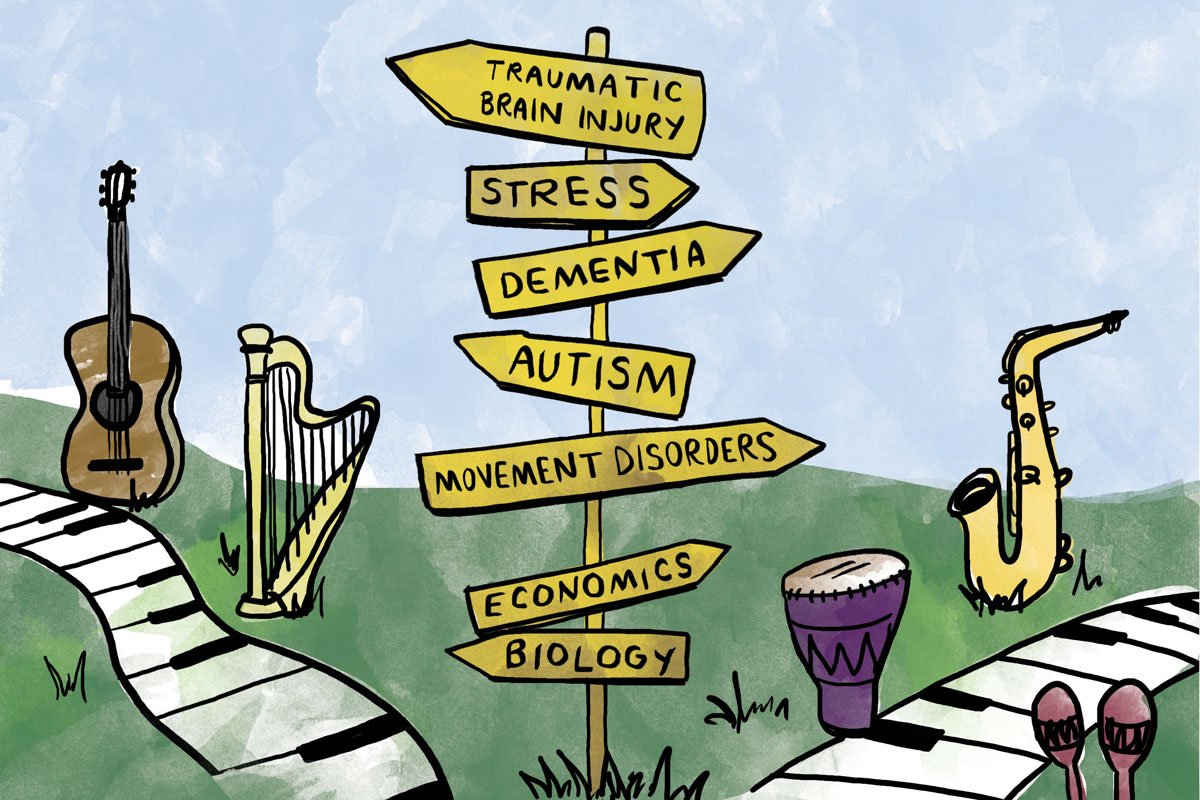
Cognitive Enhancement Music therapy has been shown to improve cognitive functions, particularly in individuals with neurological conditions like Alzheimer's disease, Parkinson's disease, and traumatic brain injuries. Music can stimulate memory, enhance cognitive skills, and promote speech and language development.
Pain Management Music has the ability to distract and soothe, making it an effective tool for pain management. Music therapy is often used in healthcare settings to alleviate pain and anxiety during medical procedures.
Stress Reduction Listening to calming music can trigger the release of endorphins and reduce the levels of stress hormones in the body. Music therapy is frequently used to help individuals manage stress and promote relaxation.
IV. Applications of Music Therapy
Healthcare Settings Music therapy is widely utilized in hospitals, hospices, and rehabilitation centers. It aids in the recovery and well-being of patients, including those with chronic illnesses or undergoing medical treatments.
Special Education In educational settings, music therapy supports the development of children with special needs. It can improve communication, social skills, and academic performance.
Mental Health Treatment Music therapy is integrated into mental health treatment plans to address a range of psychological issues, including addiction, eating disorders, and post-traumatic stress disorder (PTSD).
Aging and Dementia Care For older adults, especially those with dementia, music therapy can bring moments of clarity, emotional connection, and a sense of purpose.
V. The Science Behind Music Therapy
Recent advances in neuroscience have shed light on the biological underpinnings of music therapy. Functional MRI studies have shown that music activates various brain regions associated with emotions, memory, and reward. The synchronization of neural activity with musical rhythms can lead to positive therapeutic outcomes.
Conclusion
Music therapy is a remarkable discipline that harnesses the universal language of music to promote healing and well-being across various facets of human existence. It has come a long way since its inception and continues to evolve as a recognized and respected therapeutic modality. Whether it's in healthcare, education, or mental health, the power of music to transform lives and enhance the human experience is undeniable. As we continue to explore the frontiers of science and music, the potential for music therapy to make a positive impact on the lives of individuals remains a captivating and promising journey.

Keine Kommentare:
Kommentar veröffentlichen