Welcome to VitalGuide, where we explore intriguing topics that shape our understanding of the world. In this article, we're going to tackle a prevalent myth: the notion that all CEOs and politicians are psychopaths. While this idea might make for a compelling storyline in a movie or a dramatic headline, it is essential to separate fact from fiction and delve into the complexity of leadership in both the corporate and political spheres.

The Myth of the Psychopathic CEO and Politician:
The notion that CEOs and politicians are inherently psychopathic is a stereotype that has endured for years. It stems from a misunderstanding of psychopathy and a tendency to oversimplify the traits and behaviors that characterize these two distinct groups. Let's unpack this myth and explore the realities of leadership in these fields.
Defining Psychopathy:
Psychopathy is a personality disorder marked by traits such as a lack of empathy, manipulative behavior, superficial charm, and a disregard for societal norms. While some individuals in leadership positions may exhibit psychopathic tendencies, it's crucial to distinguish those with these traits from the majority who do not fit this mold.
The Diversity of CEOs:
Personality Variability: CEOs come from diverse backgrounds, and their personalities span a broad spectrum. They can be compassionate, visionary, and motivated by a sense of purpose that extends beyond self-interest.
Responsibility to Stakeholders: CEOs have a profound responsibility to shareholders, employees, and the community. This duty necessitates ethical and empathetic leadership to maintain trust and foster long-term success.
Factors for Success: Effective CEOs are often characterized by qualities such as strategic thinking, adaptability, and a clear vision, rather than psychopathic traits.
The Complexity of Politicians:
Varied Motivations: Politicians enter the arena of public service with an array of motivations. Many are genuinely driven by the desire to effect positive change in their communities and society as a whole.
Ethical Commitment: Numerous politicians work diligently to address social issues, advocate for justice, and genuinely care for their constituents. Their actions reflect empathy and a commitment to the well-being of others.
Accountability to the Public: The very nature of politics demands accountability to the public. Effective politicians prioritize the needs and concerns of their constituents, often displaying empathy and understanding.
Addressing the Psychopathy Myth:
It's critical to challenge the myth that all CEOs and politicians are psychopaths. In reality, the majority of individuals in these roles demonstrate a wide range of personalities, motivations, and leadership styles. By debunking this myth, we can shed light on the diverse landscape of leadership in society.
The Power of Leadership Diversity:
A monolithic view of CEOs and politicians as psychopaths not only oversimplifies their roles but also hinders our ability to appreciate the positive contributions these leaders make to our world.
Innovation and Progress: CEOs from various backgrounds and leadership styles have played pivotal roles in driving innovation, advancing technology, and fostering economic growth.
Social Progress: Politicians who genuinely care for their constituents have initiated social reforms, championed justice, and advocated for change that has improved the lives of countless citizens.
Collective Growth: The diversity of leadership personalities and motivations contributes to a society that evolves and progresses in multifaceted ways.
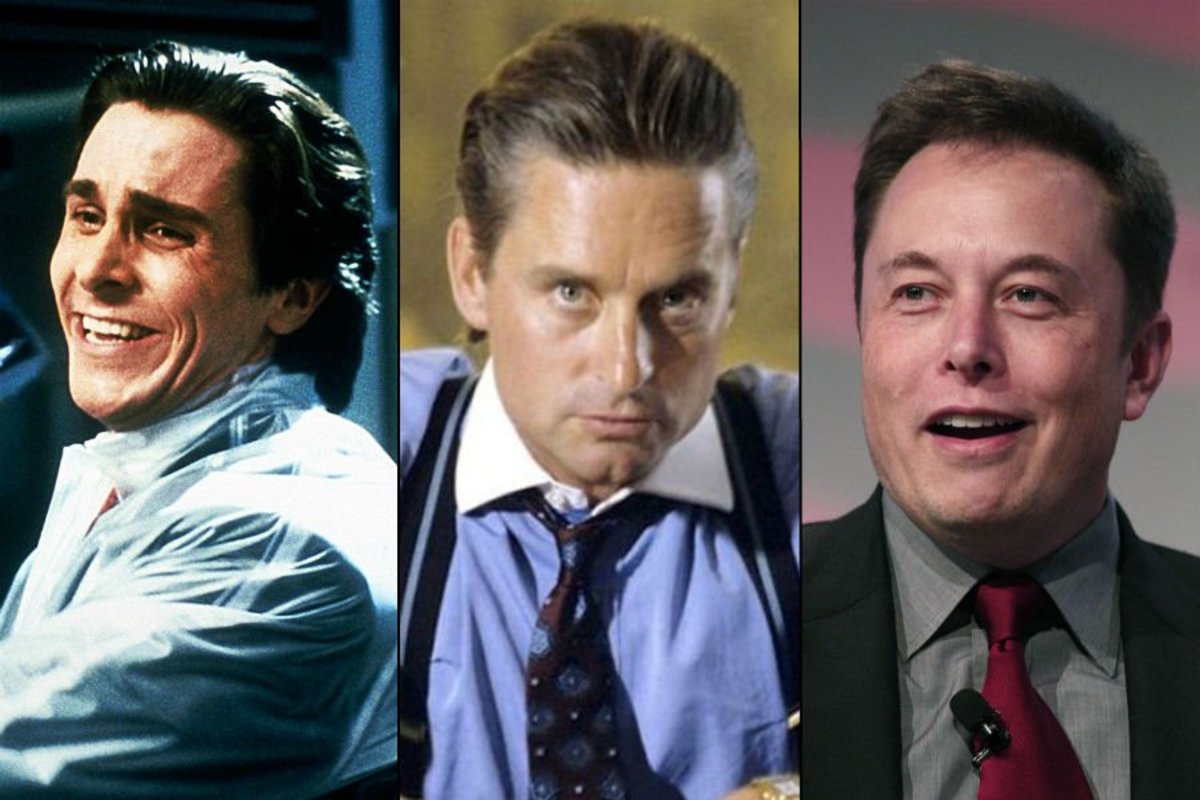
Recognizing the Complex Reality:
While it is essential to acknowledge that some individuals in leadership positions may exhibit psychopathic traits, it is a gross oversimplification to label all CEOs and politicians as such. Leadership, in all its forms, is a complex and multifaceted endeavor that reflects the diversity of human nature. Understanding this complexity is critical for assessing leaders based on their actions, ethics, and commitment to the well-being of their stakeholders and constituents.
Conclusion:
The myth that all CEOs and politicians are psychopaths does a disservice to the vast and intricate world of leadership. In truth, these roles are occupied by individuals with diverse personalities, motivations, and approaches to their responsibilities. By challenging this myth, we can develop a deeper understanding of the intricate and multifaceted landscape of leadership in both the corporate and political realms. Stay tuned for more articles on VitalGuide that dispel prevalent myths and explore the complexities of our world.

Keine Kommentare:
Kommentar veröffentlichen